Digital Friction: How I restructured my phone to kill impulsive ordering

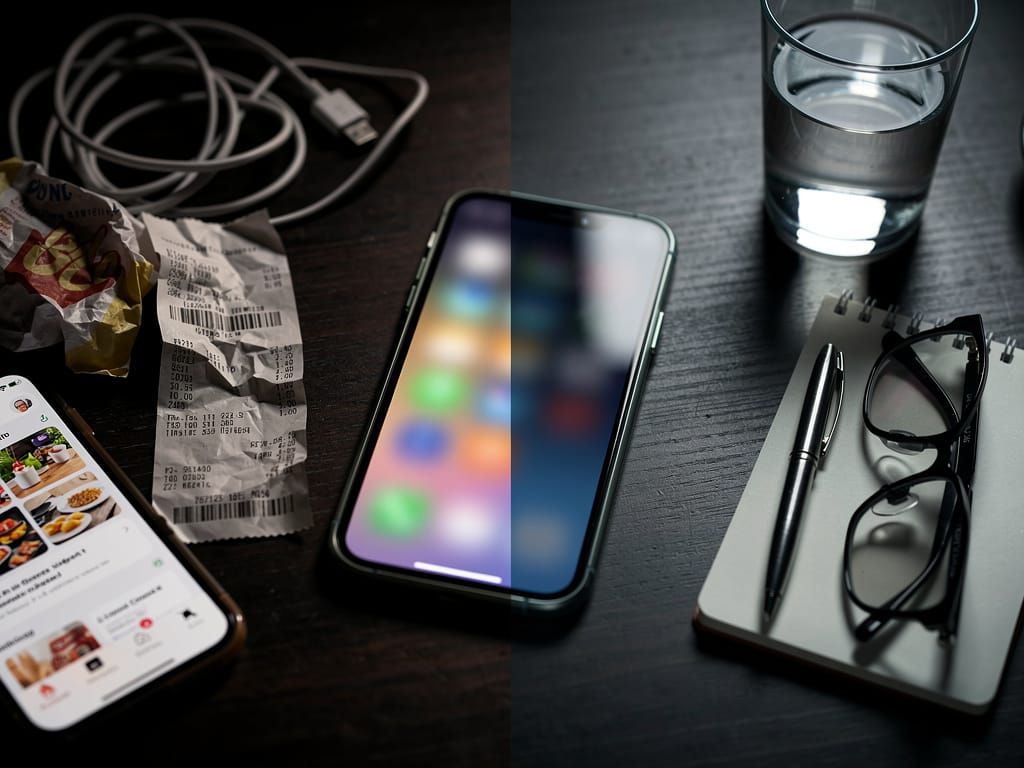
Your smartphone is an engineered environment, meticulously designed for low-friction consumption. This convenience directly conflicts with any strategic plan for managing your caloric intake. By introducing deliberate friction into your digital life, you can reclaim control and dismantle the impulse-driven ordering habit for good.
The 'Out of Sight, Out of Mind' Protocol
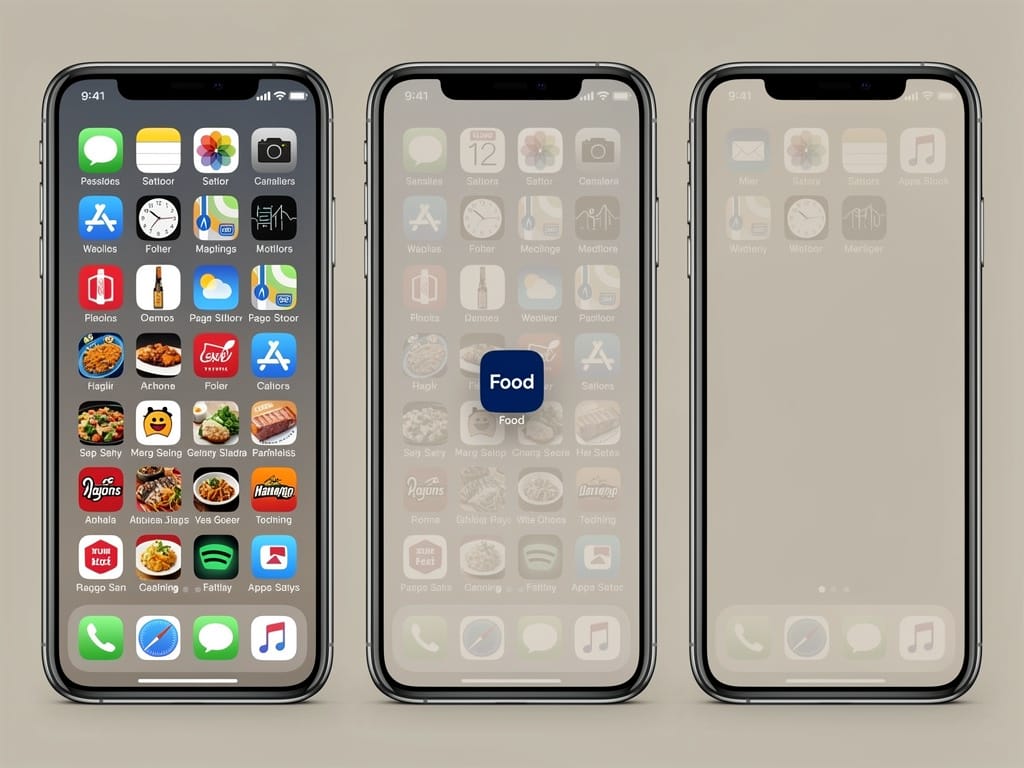
The foundational principle of impulse control is the removal of visual triggers. App icons, notifications, and promotional emails are the primary entry points for reflexive, unplanned behavior. The objective is to transform ordering from a thoughtless tap into a fully intentional act, one that requires conscious effort and justification.
The most effective strategy is to delete the apps entirely. This creates the highest possible barrier to entry. If occasional use is necessary, the next best approach is to bury the apps inside a folder on the final page of your home screen, converting a one-second action into a multi-step search process that forces a moment of consideration.
Finally, you must restructure your phone’s notification architecture. Disable all badges, banners, and lock screen alerts for any food-related application. This severs the connection between an external prompt and an internal craving, placing you firmly back in command of your decisions and breaking the cycle of reactive consumption.
Building Intentional Barriers
High-performers understand that while the modern world removes friction, strategically adding it back is a powerful tool for self-regulation. The system is simple: make the path of least resistance the one that aligns with your goals. By engineering small obstacles, you create space for your logical mind to intervene before an impulse takes over.
A primary tactic is to log out of all food delivery apps after every single use. The simple requirement of re-entering a password, and perhaps a two-factor authentication code, serves as a critical pause. This small delay is often all that is needed to evaluate the craving and decide if it aligns with your energy plan for the day.
Another effective barrier is to default to using the web browser version of a service instead of its native app. Mobile websites are frequently less optimized, slower, and clunkier to use. This inherent inefficiency adds a natural layer of friction that makes the ordering process less gratifying and reinforces the standard that convenience should never override strategy.
Architecting the Alternative Choice
Creating barriers is only one part of the equation; you must also pave a clear and easy path to a better alternative. When an impulse strikes, your system must provide a pre-planned, low-friction response. This is the essence of lifestyle architecture: consciously replacing a negative habit loop with a positive, predetermined one.
This begins by structuring your physical environment for success. Your kitchen should be stocked with go-to, high-volume, low-calorie meal components that are ready with minimal effort. Your digital environment should mirror this, replacing the delivery app's prime location on your home screen with a calorie tracker or a notes app containing your pre-planned meals.
The final component is the establishment of a new ritual. The old trigger-response pattern was 'feel urge, open app'. The new, engineered pattern is 'feel urge, open notes app, review goals, walk to kitchen'. This systematic process effectively rewires your brain's response, making the strategic choice the most automatic one.
- Remove all visual triggers by deleting or hiding food delivery apps and disabling their notifications.
- Introduce intentional friction by logging out after each use and favoring browser versions over native apps.
- Architect a low-friction alternative by preparing your kitchen and redesigning your digital space to support your goals.