The "First Choice" Rule: Designing your grocery bag for automatic satiety

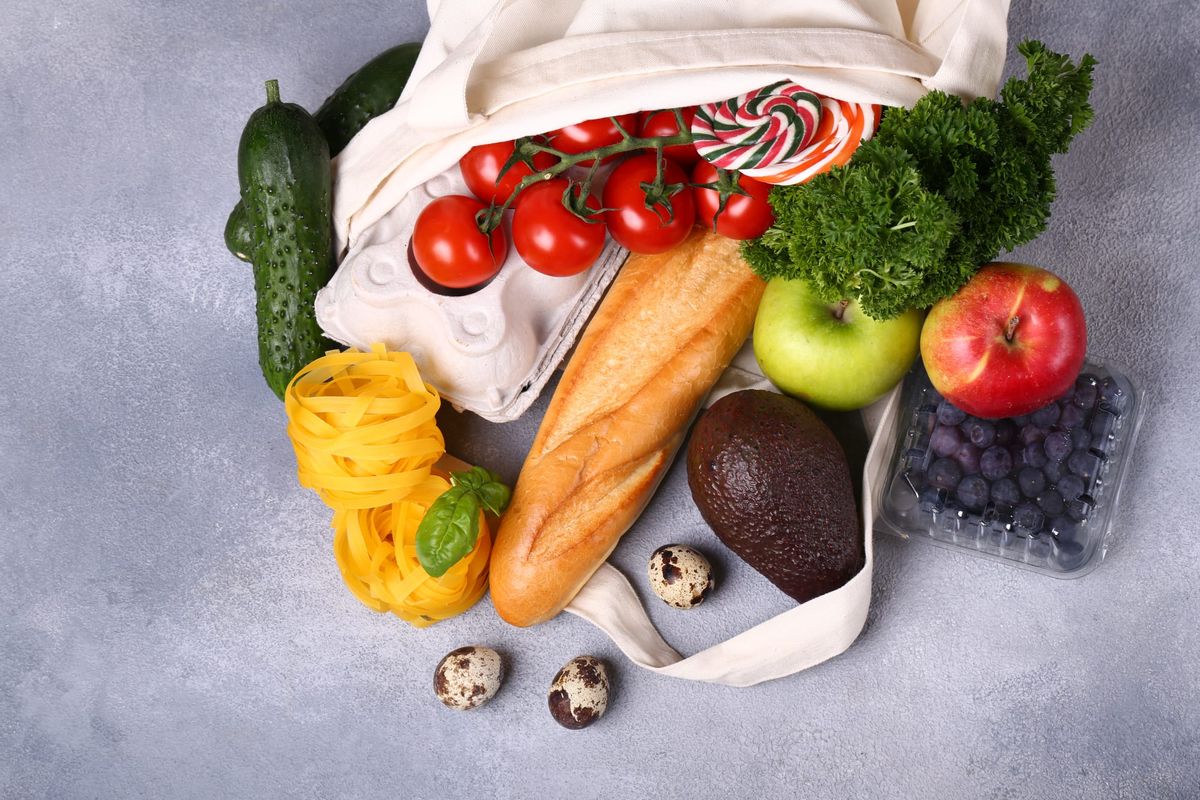
Your Bag Decides Before You Do
Here's the truth: your willpower is not the problem.
The problem is that you keep putting yourself in situations where willpower is even required. That's a design flaw - not a character flaw.
The First Choice Rule fixes this at the source. It says your grocery bag should be engineered so that the easiest thing to grab is also the most filling thing available.
Automatic satiety. Built in before you even open the fridge.
The Logic Behind the Rule
Every food you bring home becomes a future decision point. The question is: what decision does it push you toward?
A bag loaded with calorie-dense, low-volume options - crackers, nut butters, granola bars - sets you up to eat more calories before your hunger signal even catches up.
A bag engineered around high-volume, low-calorie density foods does the opposite. It lets you eat a genuinely large amount of food, feel physically full, and still land well within your energy targets for the day.
That's not restriction. That's architecture.
How to Build a First-Choice Bag
The framework is simple. Audit every item before it hits your cart using one filter: does this food deliver high satiety per calorie?
Here's the ranked system that makes this practical:
- Water-rich produce first. Cucumbers, zucchini, romaine, celery, tomatoes - these foods are 90-95% water by weight. They physically fill your stomach for almost no caloric cost. Load the bag here.
- Lean protein as the anchor. Chicken breast, egg whites, low-fat cottage cheese, canned tuna in water. Protein has the highest thermic effect of any macronutrient - your body burns roughly 20-30% of its calories just processing it. It also triggers satiety hormones faster than fat or carbs.
- High-fiber carbohydrates over refined ones. Oats, lentils, black beans, sweet potatoes. Fiber slows gastric emptying, meaning you stay full longer per calorie consumed. A cup of cooked lentils delivers around 230 calories and 16 grams of fiber. A cup of pretzels delivers 400 calories and almost zero fiber. The math is obvious.
- Strategic dairy picks. Plain Greek yogurt and low-fat kefir are high-protein, high-volume options that double as gut-supporting foods. Choose the ones with the shortest ingredient lists.
- Controlled fats, not eliminated. Avocados, whole eggs, and a quality olive oil belong in the bag - but in measured quantities. Fat is calorie-dense, so the goal is precision, not avoidance.
The Swap That Changes Everything
Let's dive deeper into what this looks like in real numbers.
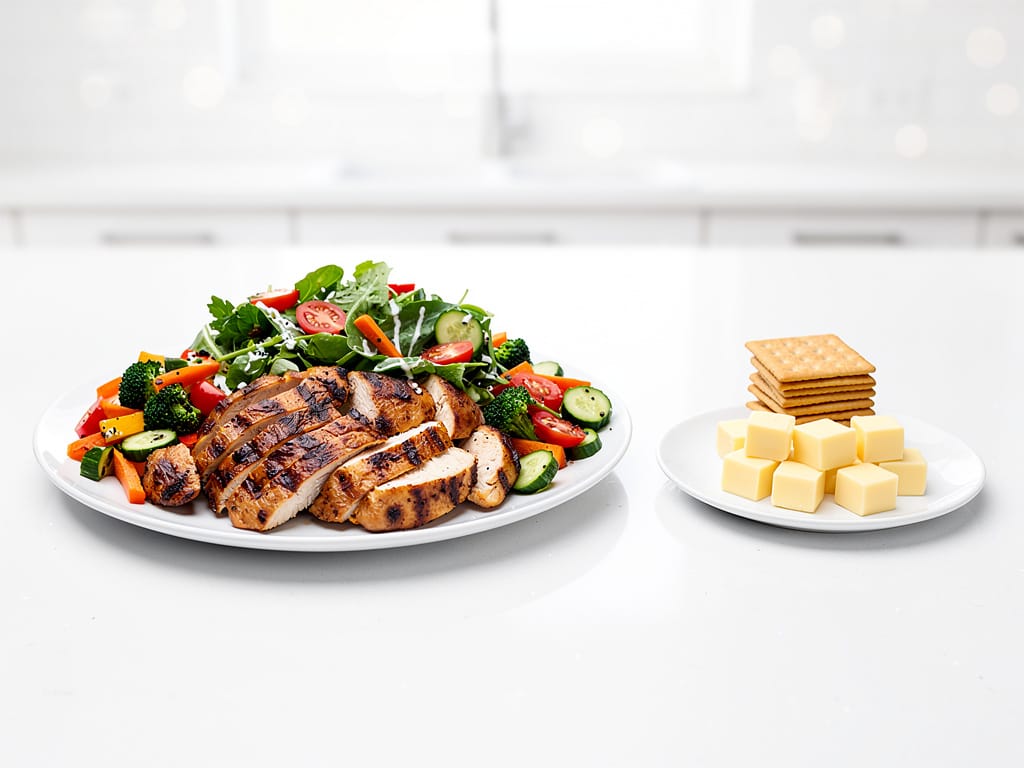
Swap 200 calories of mixed nuts (roughly a small handful) for 200 calories of grilled chicken breast and a full plate of roasted zucchini. The caloric load is identical. The volume difference is enormous. The satiety difference is even larger.
This is the core mechanic. Same calorie budget. Dramatically more food. Your stomach doesn't count calories - it responds to volume, fiber, and protein signals.
When your grocery bag is stacked with the right inputs, you're not fighting hunger. You're engineering it out of the equation.
Make the First Choice the Only Choice
Here's what separates high-performers from people who rely on motivation: they remove the decision entirely.
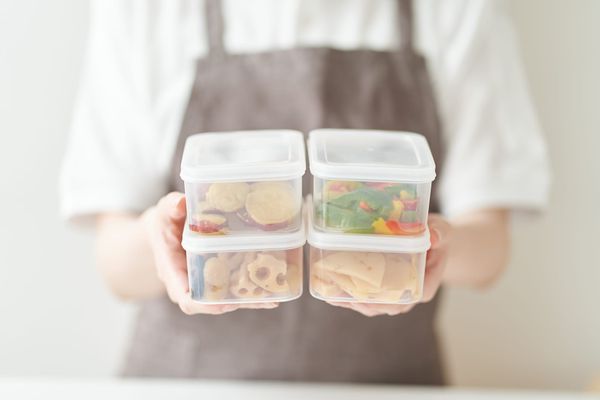
When you open your fridge and the most visible, most accessible item is a container of prepped Greek yogurt with berries - that's your first choice. When the front shelf holds sliced cucumbers and a protein source ready to eat - that's your first choice.
The bag you build at the store becomes the environment you live in for the next week. Design it intentionally.
Stop leaving your best decisions to chance. Build the system once. Let it run on autopilot.
That's the First Choice Rule. And it starts the moment you grab a cart.