The Liquid Egg Audit: Analyzing the protein ROI of whites vs. whole


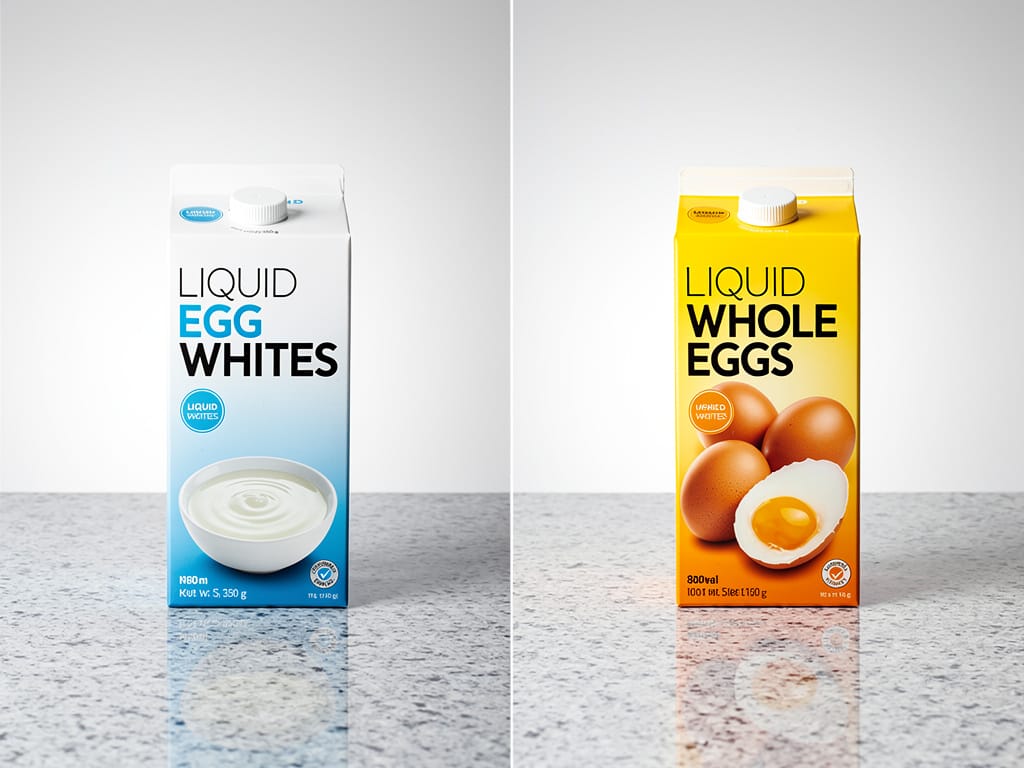
You stand in the refrigerated aisle, faced with two nearly identical cartons. One holds liquid egg whites, the other, liquid whole eggs. To most, this is a minor choice. To the high-performer, it’s a strategic decision point with compounding effects on energy, physique, and satiety. You are currently making this choice based on habit or vague nutritional folklore. You could be making it with the precision of an engineer, leveraging a clear understanding of caloric currency to build the exact outcome you want. This is the gap between guessing and knowing.
Before: The Default Choice and Its Hidden Costs
Operating without a system, you grab the carton that feels 'right'. Perhaps you choose whole eggs for their 'natural' state or whites because you heard they were lower in fat. This decision, however, is untethered from a specific goal. It's a choice made on autopilot, driven by marketing messages and outdated nutritional dogma rather than a clear-eyed analysis of the facts. This is the equivalent of investing without ever reading a company's financial statements.
The consequences are subtle but significant. When you default to liquid whole eggs for a large scramble, you unknowingly consume a high-density meal that exhausts a large portion of your caloric budget for a relatively small volume of food. Conversely, relying solely on whites without understanding their application can leave you missing key micronutrients. This lack of precision leads to a constant, low-grade inefficiency in your diet-a system that works against your goals for physique management and sustained energy, forcing you to compensate with willpower instead of intelligent design.
After: The Calibrated Decision and Optimized Performance
With a proper audit complete, you no longer see two breakfast options; you see two distinct tools with different specifications and applications. The cartons become readouts of data: calories, protein, fat, volume potential. Your choice is now calibrated, intentional, and aligned with the immediate demands of your performance goals. You wield each product with purpose, deploying them to achieve a specific, predictable outcome.
The result is an energy system that runs with profound efficiency. You use liquid egg whites as a high-leverage tool to maximize meal volume and protein intake for the lowest possible caloric cost, which is a powerful asset for hunger management and leaning out. You deploy liquid whole eggs strategically, when your energy budget is higher or when the goal is nutrient density and flavor, not just volume. This mastery transforms your kitchen from a place of random consumption into a lab for performance optimization. Your physique and energy levels stabilize because every calorie is accounted for and has a job to do.
The Bridge: How to Get There
Transitioning from a consumer to a strategist requires a simple, analytical process. It involves looking past the packaging and treating your food choices with the same logic you'd apply to any other important system in your life. The following steps provide the exact framework for conducting your own liquid egg audit.
- Calculate the Protein ROI. This is the master metric. Look at the nutrition labels. A typical 100g serving of liquid egg whites contains around 11g of protein for 52 calories. The same serving of liquid whole eggs has about 10g of protein for 140 calories. The whites provide 0.21g of protein per calorie. The whole eggs provide just 0.07g of protein per calorie. The whites offer three times the protein return on your caloric investment.
- Define the Mission for Each Meal. Before you cook, state the goal. Is this meal's primary purpose to maximize satiety on a low budget? The mission requires egg whites. Is the goal to refuel with a blend of protein, fats, and micronutrients after a major energy expenditure? Whole eggs may be the superior tool for the job. Align the tool with the mission.
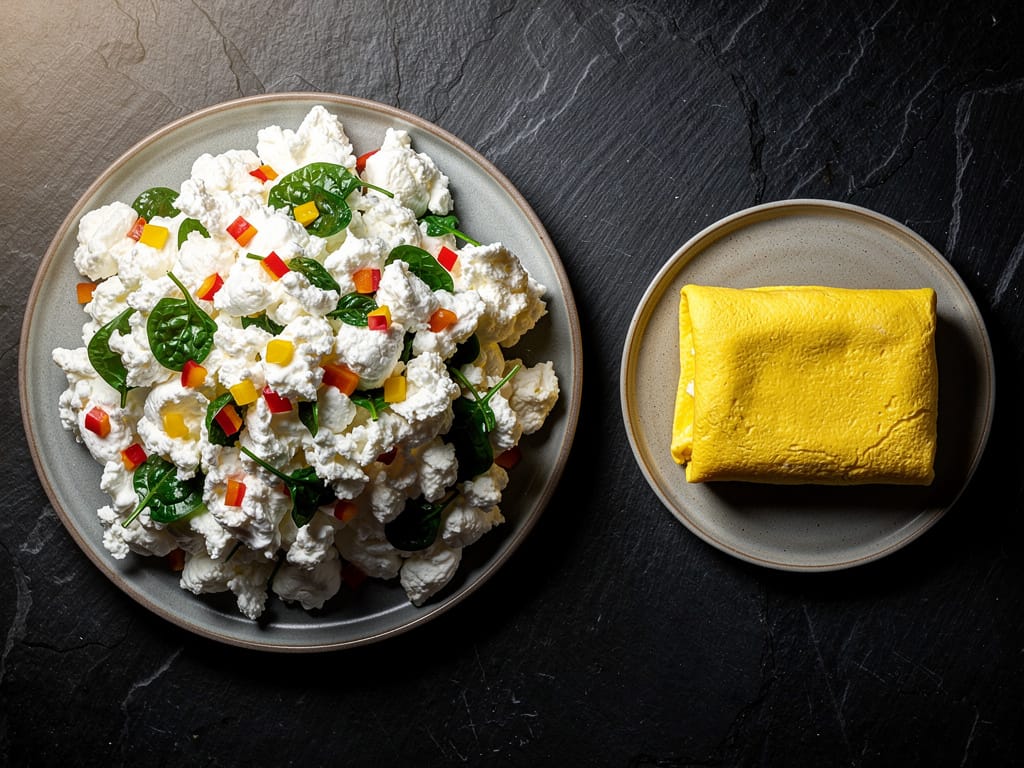
- Leverage Volume Mechanics. To grasp the power of Protein ROI, put it into practice. For 150 calories, you can have a dense, palm-sized whole-egg omelet (about 105g). Or, you can have a massive, plate-filling scramble of egg whites (about 290g). The psychological and physiological impact of eating a much larger meal for the same caloric cost is a fundamental tool for effortless physique management.
- Architect Your Environment. Make the optimal choice the easiest choice. If your current protocol is leaning out, the liquid egg white carton should be the only one in your refrigerator. By removing the decision at the point of action, you eliminate the need for willpower. You are no longer choosing; you are simply executing the system you've already designed.
This isn't about labeling one food 'good' and the other 'bad'. It’s about a radical shift in perspective. You are the architect of your own energy system, and every item in your grocery cart is a building material with unique properties. By auditing your choices with this level of clarity, you move beyond generic advice and begin operating on a framework of pure, logical performance.