The Mashed Potato Blueprint: How I tripled the volume of my comfort food

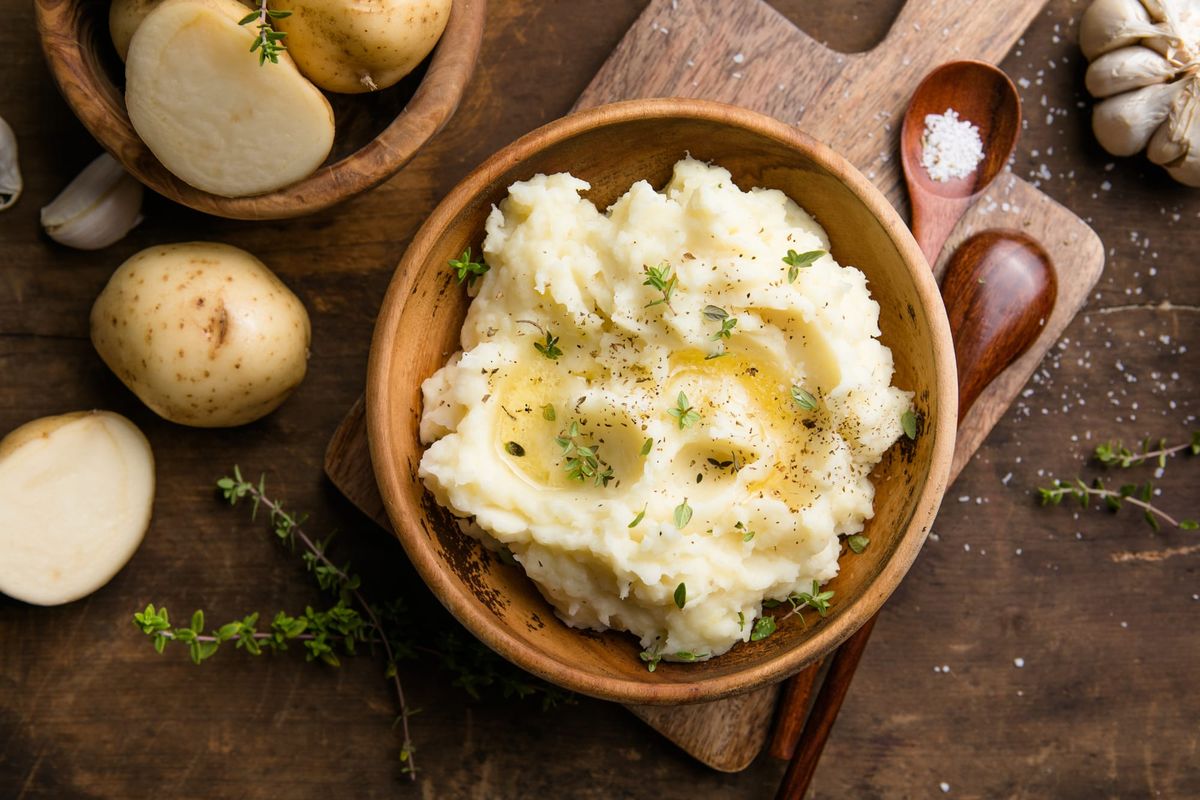
Mashed potatoes are a masterclass in comfort. They are also a masterclass in caloric density. From a performance standpoint, the traditional recipe is an inefficient asset. It delivers a high caloric impact for a relatively low volume of food, creating a significant withdrawal from your energy account without providing long-term satiety.
The objective is not to eliminate this comfort food. The objective is to re-engineer it. We will transform it from a high-cost liability into a high-volume asset. The core of the problem lies in the standard architecture of the dish.
- The Fat Source: Butter and heavy cream are calorically expensive. They add richness at the cost of extreme density.
- The Liquid: Whole milk adds unnecessary calories where a zero-cost alternative can perform the same function.
- The Base: Potatoes are a fine carbohydrate source, but they can be diluted with a lower-density ingredient without compromising the experience.
The Volume-Hacking Principle
The solution isn't subtraction; it's strategic dilution. By integrating a high-volume, low-calorie vegetable, we can dramatically increase the portion size while keeping the energy cost stable. The agent for this transformation is cauliflower. When prepared correctly, it acts as a nearly flavorless bulking agent that adopts the texture and taste of the potato base. You are not eating 'cauliflower mash'. You are eating a significantly larger portion of mashed potatoes, with cauliflower serving as the structural framework for that expansion.
The Blueprint: Ingredient Ratios and Logic
Precision is key. This isn't about guesswork; it's about executing a proven formula. The foundational ratio is one part potato to two parts cauliflower by weight. This is the sweet spot for maximizing volume without detecting the cauliflower's presence.
For the other components, the swaps are simple and logical. Replace heavy cream and butter with plain, non-fat Greek yogurt. This not only slashes the fat content but also introduces protein, which contributes far more to satiety. For liquid, use the starchy water you cooked the potatoes in, or a splash of unsweetened almond milk. The flavor architecture is then rebuilt with non-caloric elements: salt, black pepper, garlic powder, and fresh chives. These provide the savory experience your brain expects, without the high energy cost.
The Method for a Seamless Texture
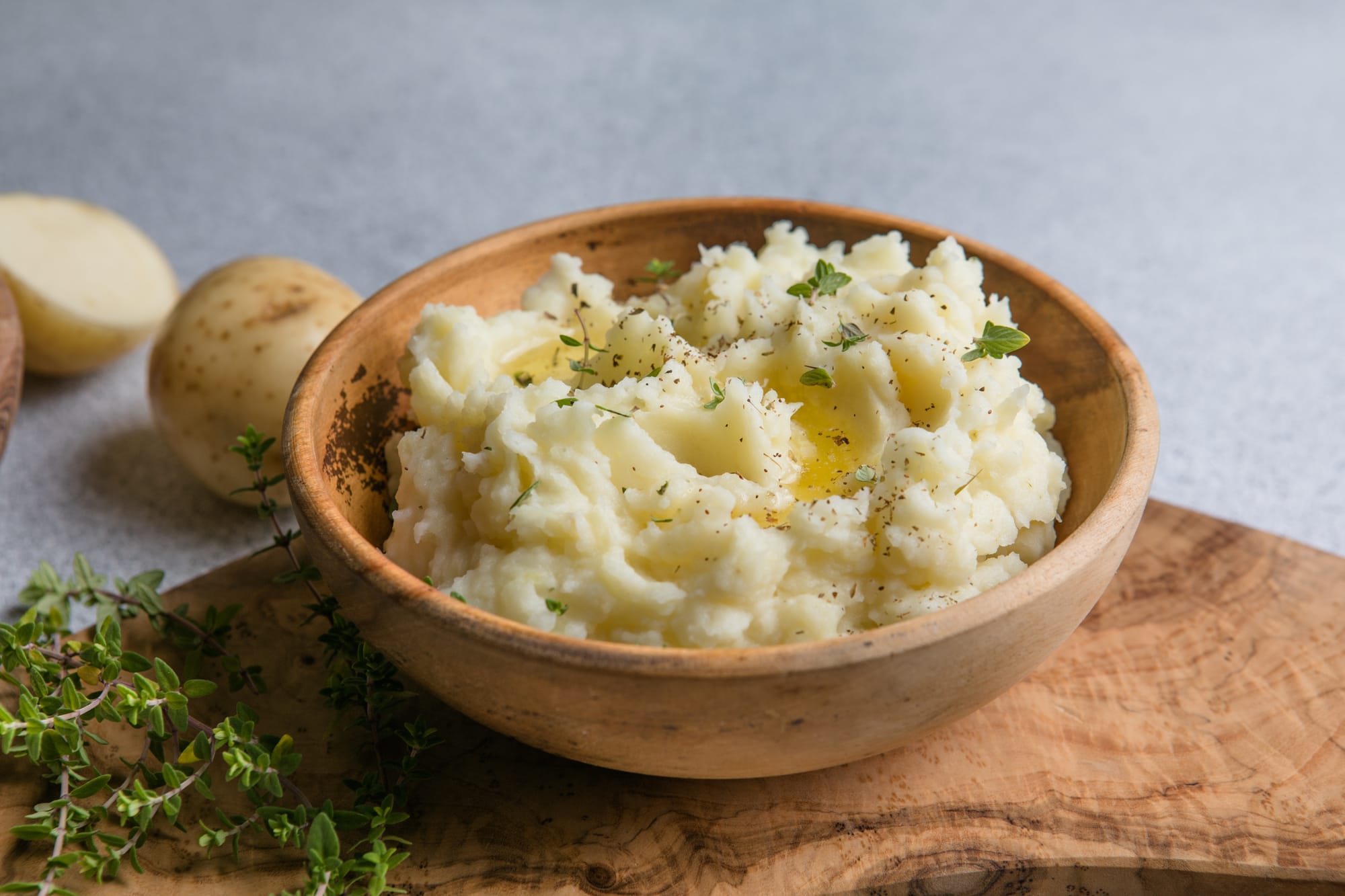
The execution determines the quality of the final product. Steam, do not boil, the potato and cauliflower together until fork-tender. Draining them thoroughly is non-negotiable-excess water is the enemy of a creamy texture. Use an immersion blender or a food processor instead of a traditional masher. This is the critical step that breaks down the cauliflower fibers completely, ensuring a perfectly smooth and homogenous consistency that is indistinguishable from the classic dish.
What you are left with is a system, not just a recipe. A standard cup of mashed potatoes can easily cost 250-300 calories. Using this blueprint, you can consume three full cups for that same caloric price. This is a fundamental shift in the energy-to-volume ratio. It allows for the psychological satisfaction of a large, comforting meal without the subsequent metabolic consequences. This isn't a 'diet trick'. It is a tactical application of food mechanics. It's about understanding that every item on your plate is a tool that can be optimized for better performance. By auditing the components and re-engineering the structure, you architect an environment where satisfying your preferences and meeting your physical goals are the same action. The decision becomes effortless because the system is designed for success. You are no longer navigating a world of restriction, but one of strategic abundance.