The 3-Pound Plate: Why I never eat small meals to stay lean

I know it sounds completely backward, but the secret to staying lean for me has never been about tiny portions or constant snacking. In fact, I've found that the conventional advice to eat six small meals a day is one of the quickest ways to feel hungry and obsessed with food. Instead, I build massive, satisfying plates of food that keep me full for hours, and it's completely changed my relationship with eating.
Freeing Your Mind from Food
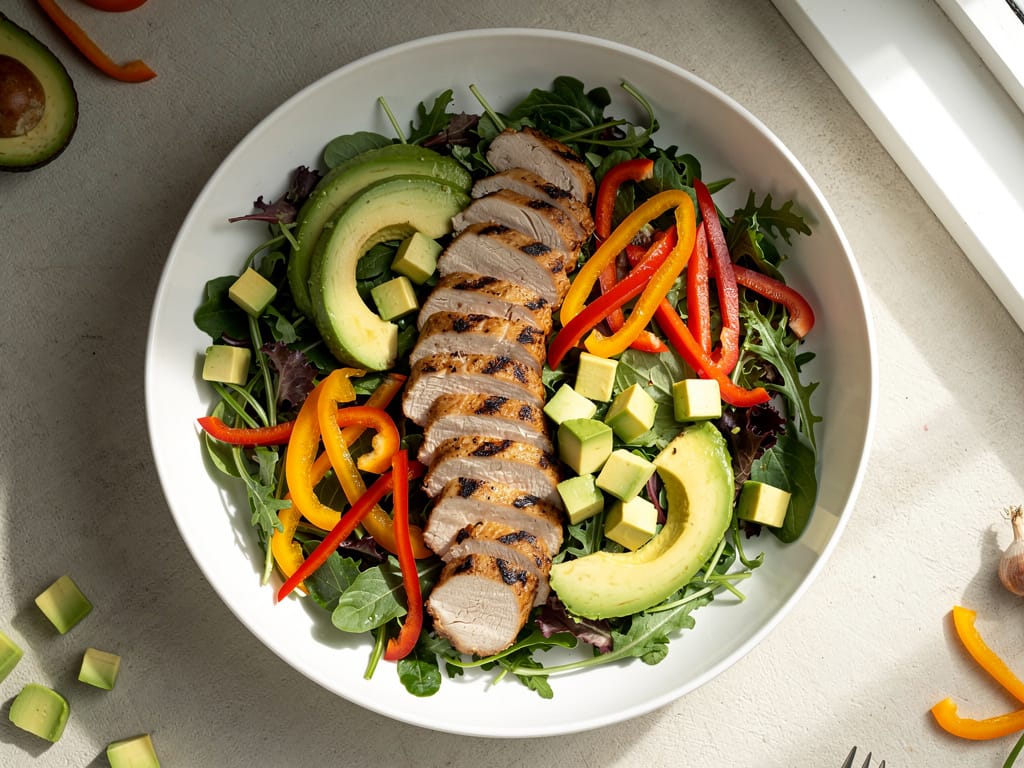
Honestly, think about the mental space that's taken up by constantly planning your next tiny meal. When you're only eating a handful of almonds or a small yogurt, your brain barely registers it as a real meal, and the hunger clock starts ticking again almost immediately. I've been there, and it felt like my entire day revolved around watching the clock, waiting for the next 'approved' snack time, which is just an exhausting way to live.
There's a powerful psychological component to seeing a full, heavy plate in front of you. It sends a signal of abundance and satisfaction to your brain before you've even taken a single bite, which is something a small, sad-looking meal can never do. When you honor your hunger with a genuinely substantial meal, you're not just feeding your body; you're calming the part of your mind that worries about scarcity and deprivation.
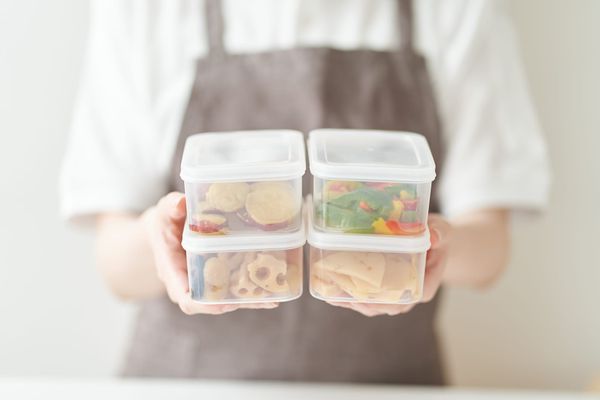
And let's be real, who has the time or energy to prep six different meals every day? It's a logistical nightmare that adds another layer of stress to an already busy life. Simplifying your eating structure to two or three larger, well-planned meals frees up an incredible amount of headspace, letting you focus on your work, your family, and your life instead of your next Tupperware container.
The Simple Math of Eating Big
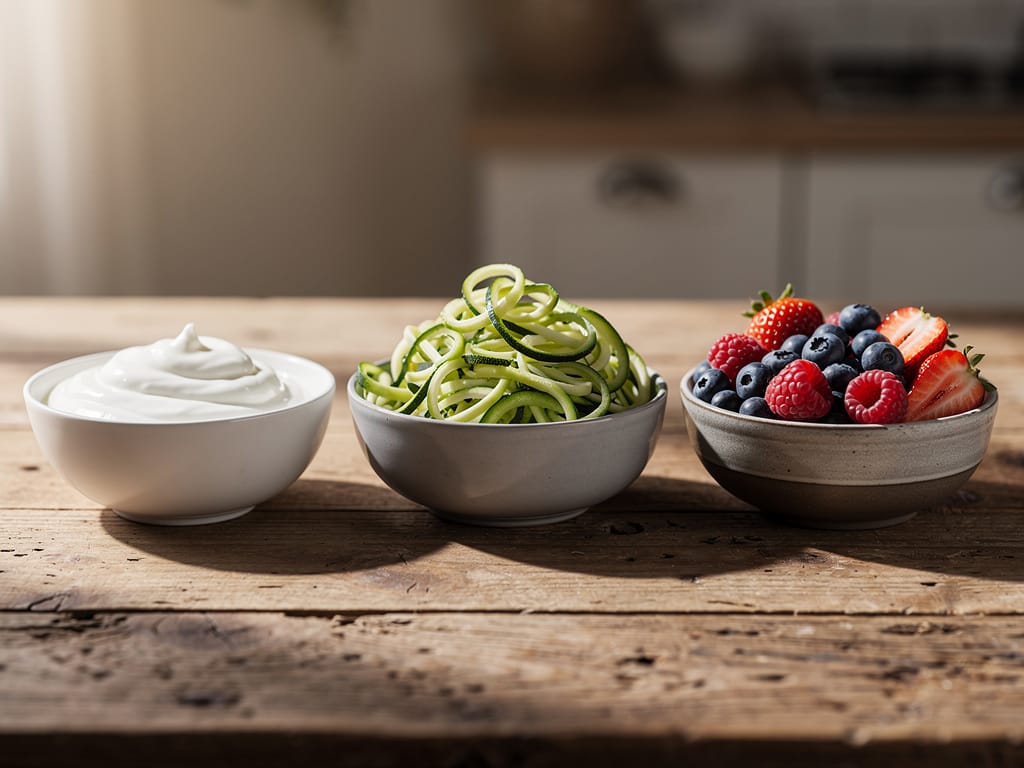
So, how in the world do you eat a three-pound plate of food and stay lean? It's not magic; it's just a bit of kitchen strategy that I call 'volume mechanics'. The entire game is about choosing ingredients that take up a lot of space and have a lot of weight and fiber, but don't carry a heavy caloric price tag.
You can start with some incredibly simple swaps that make a huge difference. Instead of a small portion of pasta, try a massive bowl of zucchini noodles or spaghetti squash with the same sauce-you'll be shocked at how much you can eat. Swap out fatty dressings for ones with a Greek yogurt base, or trade a handful of chips for a giant bowl of air-popped popcorn seasoned your way.
This isn't about restriction; it's about addition. You're adding tons of vegetables, lean proteins, and high-fiber foods that physically fill you up and keep you satisfied for hours. You get to experience the joy of a full stomach and a clean plate without the energy crash or the guilt that often comes with a traditionally heavy meal.
Building a Lifestyle Around Satisfaction
This approach works best when you build a daily rhythm that supports it. For a lot of people, including me, this looks like having a smaller meal or just coffee in the morning and then enjoying two large, delicious meals for lunch and dinner. This structure gives your digestive system a break and allows you to come to your meals genuinely hungry and ready to enjoy them.
It also helps to turn your meals into a real event. Instead of eating while standing over the kitchen counter or scrolling on your phone, take the time to sit down and actually savor your food. When you eat mindfully, your body and brain have time to register fullness, which makes the whole experience more satisfying and prevents you from overeating just because the food is there.
Finally, you'll probably find that this way of eating is so much more socially flexible. It's a lot easier to join friends for a big dinner out when you've planned for it, rather than trying to awkwardly order a side salad and a water. You get to participate fully in the social joys of food because you've built a system that allows for abundance and enjoyment without derailing your goals.
- Embrace the psychology of a full plate to signal abundance and satisfaction to your brain.
- Master the art of the 'food swap' by choosing high-volume, low-calorie ingredients.
- Design a daily routine that supports fewer, larger meals to free up your mind and simplify your life.