The Protein Bar Fraud: Ranking the best energy ROI at US markets

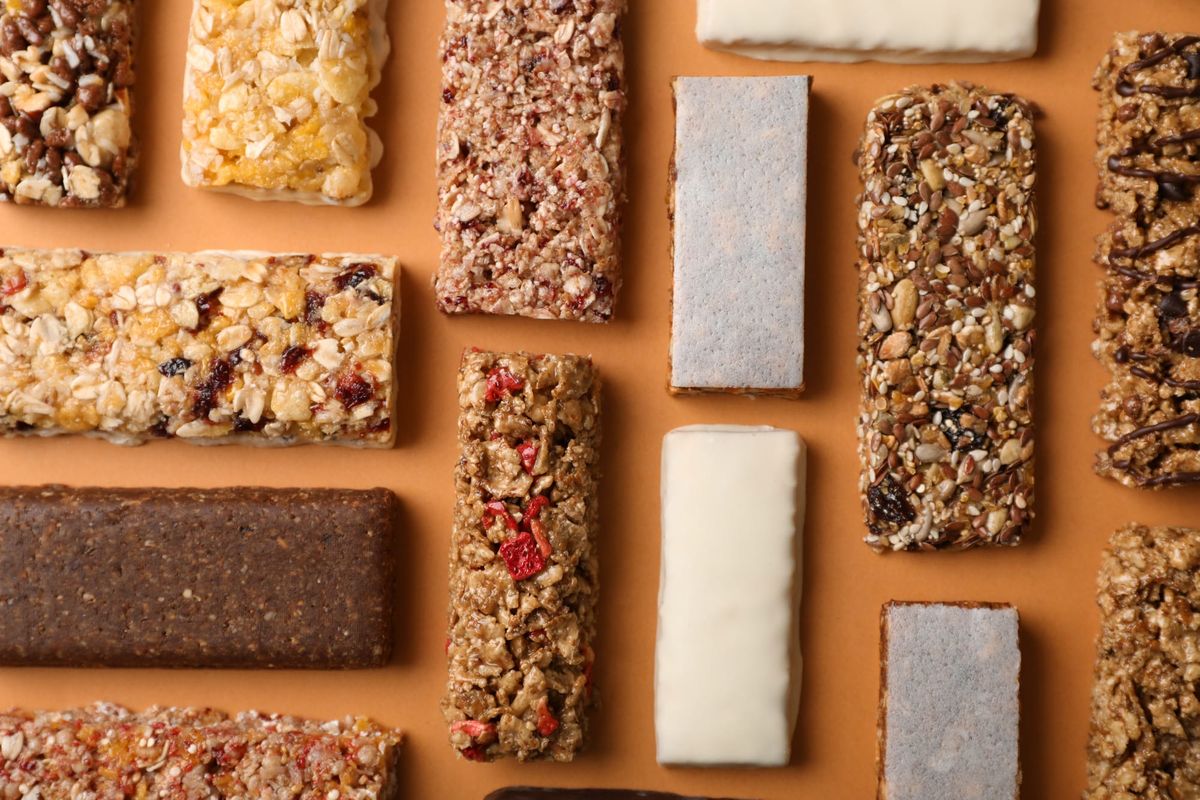
Let's have a real chat for a minute. We've all been there: you're rushing around, hunger strikes, and you grab a protein bar. It feels like a smart, disciplined choice, right? You're dodging the vending machine and picking the 'healthy' option. But if we're treating our energy like a currency - and we are - then we have to ask if we're getting a good return on that investment. Honestly, a huge number of bars on the shelf are nothing more than candy bars with a PhD in marketing.
The goal isn't to swear off protein bars forever. They can be incredibly useful tools when you're in a pinch. The trick is learning to spot the difference between a genuine asset and a caloric liability. It's about auditing what you're consuming and understanding the real 'price' you're paying for that convenience. Once you know the system, you can walk down any grocery aisle and instantly identify the high-performers from the imposters.
Decoding the Label: The Three Pillars of Protein Bar ROI
Forget the flashy packaging and the buzzwords on the front. The only thing that matters is the nutrition panel on the back. Here's the simple, three-point inspection I use to determine a bar's true value.
- The Protein-to-Calorie Ratio
- This is your number one metric. You're buying a protein bar, so the protein better be the star of the show. A simple rule of thumb is to look for at least 1 gram of protein for every 10-12 calories.
- If a 240-calorie bar only has 15g of protein, that's a terrible deal. You're spending a lot of your caloric budget on fillers. A bar with 20g of protein for under 200 calories? Now that's a solid investment.
- The Fiber Factor
- Fiber is your best friend for satiety - it's what helps you feel full and satisfied. It's a key part of getting 'high-volume' satisfaction from a small package.
- A good bar will have at least 5 grams of fiber, and the top-tier ones often have much more (10g+). Low fiber is a red flag that the bar won't keep you full for long, making it a poor bridge between meals.
- The Sugar Situation
- This is where most bars reveal themselves as frauds. Look at the 'Added Sugars' line. If that number is in the double digits, you're basically eating dessert.
- Be wary of high sugar alcohols (like maltitol or sorbitol). While they lower the technical sugar count, they can be rough on some people's digestion. A little is fine, but if it's the second ingredient, you might want to reconsider.
The Calorie Prime Market Rankings
Okay, let's name some names. Based on what's commonly available in US markets, here’s how I mentally sort the aisle. This isn't an exhaustive list, but it gives you a framework to use for any bar you find.
- Top Tier: The High-Performers
- These are your go-to options. They consistently offer an amazing protein-to-calorie ratio, are packed with fiber, and keep sugars incredibly low.
- Brands like Quest and the Kirkland Signature bars (the Costco ones) are famous for a reason. They nail the formula and deliver incredible satiety for the caloric cost. Many ONE Bar flavors also fit perfectly here.
- Mid Tier: The Situational Players
- These aren't bad choices, but you're making a trade-off. They're useful in a pinch, but they aren't the absolute best use of your calories.
- Think of bars like Pure Protein or Clif Builder's Protein. They often have a solid amount of protein, but they might have a bit more sugar or less fiber than the top-tier options. They get the job done, but they aren't as efficient.
- Bottom Tier: The Candy Bar Imposters
- This is the category you want to avoid. These bars fail the ROI test on almost every level, offering a poor protein ratio and a ton of sugar.
- I won't call out specific brands, but you'll know them when you see them. They often look like a chocolate bar, are heavy on granola or caramel, and have a nutrition panel that reads like a slice of cake. You're far better off eating a piece of fruit and a handful of nuts.
At the end of the day, this isn't about being perfect; it's about being intentional. You're in charge of your energy budget. By learning to read the code on the back of the box, you're no longer guessing. You're making a calculated, strategic choice that serves your performance and your physique, one smart snack at a time.