Win The Restaurant Game

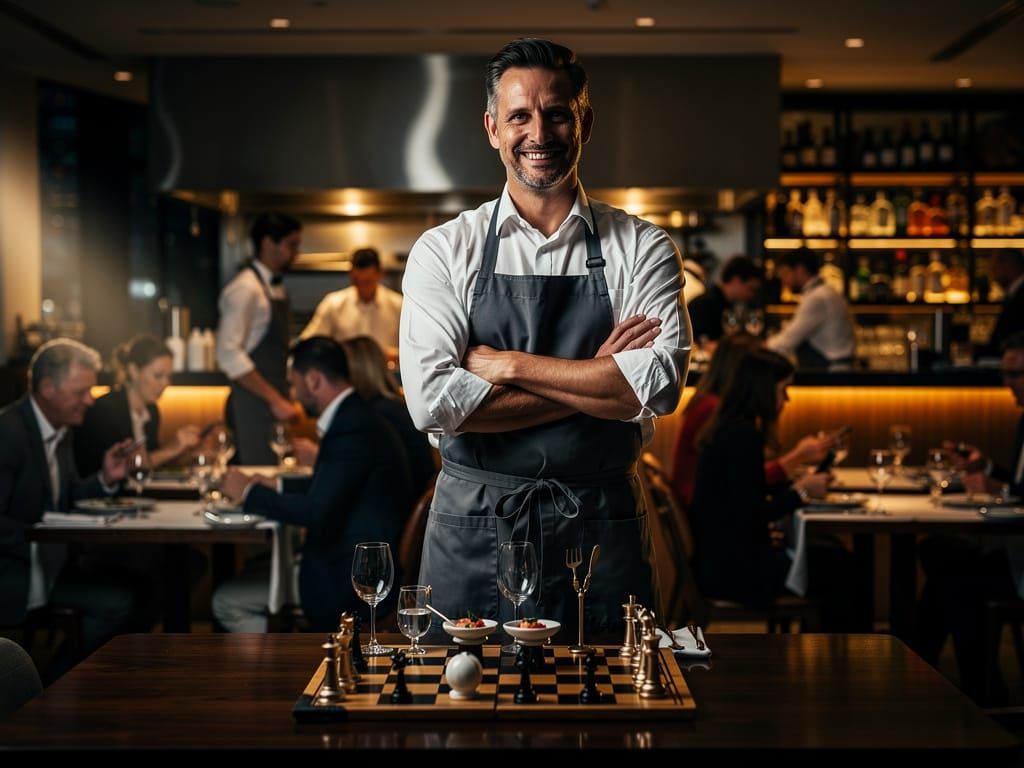
A restaurant is a system. It's an environment engineered for specific outcomes-namely, profit and a memorable experience that encourages your return. For the high-performer, this system presents not a threat, but an operational challenge. Winning isn't about avoidance or extreme restriction; it's about understanding the mechanics at play and applying a superior strategic framework. You can enjoy the social and culinary benefits of dining out while holding the line on your personal energy economy.
The game is won before you ever sit down. Your success is determined by a simple pre-mission briefing you conduct with yourself. The core directives are non-negotiable.
- Conduct Reconnaissance: Review the menu online. Identify three approved options before you arrive. This neutralizes the pressure of an impulsive, on-the-spot decision.
- Hydrate Pre-Emptively: Arrive hydrated. Thirst is often misinterpreted as hunger, a simple biological error that kitchens exploit.
- Set Your Anchor: Establish one unbreakable rule for the meal. For example, 'My entrée will be built around a lean protein' or 'I will order double vegetables as a side.' This provides a solid foundation for all other choices.
- Decline the Bread Basket: Politely refuse the complimentary bread. It's a tool designed to spike your insulin and increase your appetite before the main event arrives.
Deconstructing the Menu Architecture
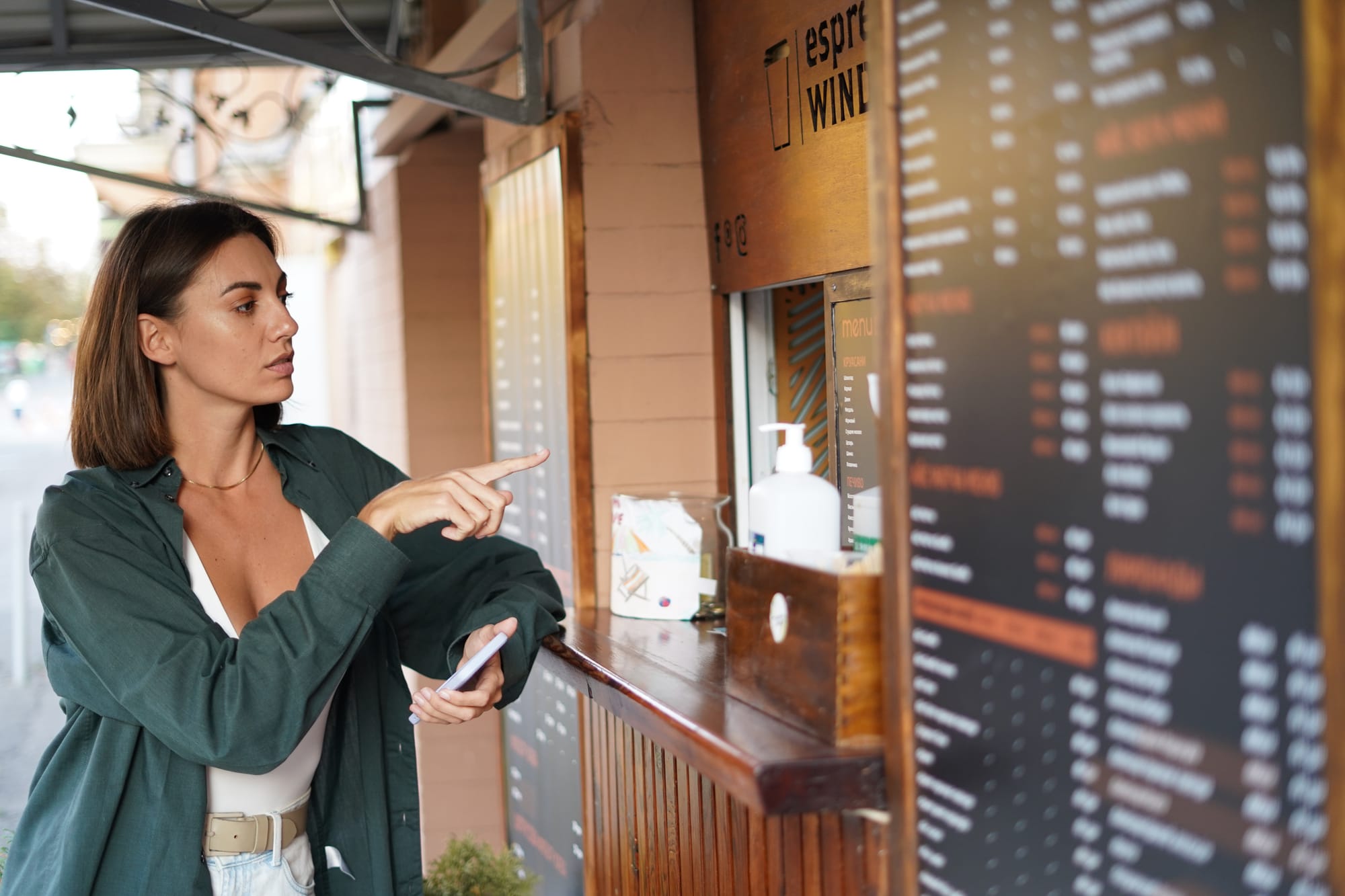
A menu is not a simple list of options; it's a carefully crafted piece of marketing literature. It is designed to guide your eyes and your appetite toward high-margin, high-density items. Your job is to read it like an intelligence analyst, not a hungry customer. Look past the enticing adjectives-words like 'creamy,' 'crispy,' 'loaded,' and 'smothered' are tactical camouflage for caloric density.
Instead, scan for operational verbs: grilled, steamed, baked, broiled, seared. These are your green lights. They describe preparation methods that typically add minimal fats and oils. Dissect every dish into its core components. A salad isn't just a salad; it's a collection of parts. The grilled chicken is high-value, but the creamy caesar dressing, bacon bits, and cheese can turn it into a liability. Identify the assets and liabilities in every description.
Mastering the Special Request
The most powerful tool in your arsenal is the special request. This is not about being a difficult customer; it's about providing clear, concise instructions to the kitchen. A professional kitchen runs on precision. Your directness is an asset to their workflow, not a hindrance. By making a few key adjustments, you take control of the plate's final composition.
The 'On the Side' Mandate
Sauces, dressings, and aiolis are where calories hide in plain sight. A simple command-'dressing on the side'-is the single most effective move you can make. It transfers complete control of the meal's most calorie-dense component from the chef to you. You decide if a tablespoon is sufficient, not them. This one habit can easily save you hundreds of calories without changing the fundamental nature of your meal.
Executing Strategic Swaps
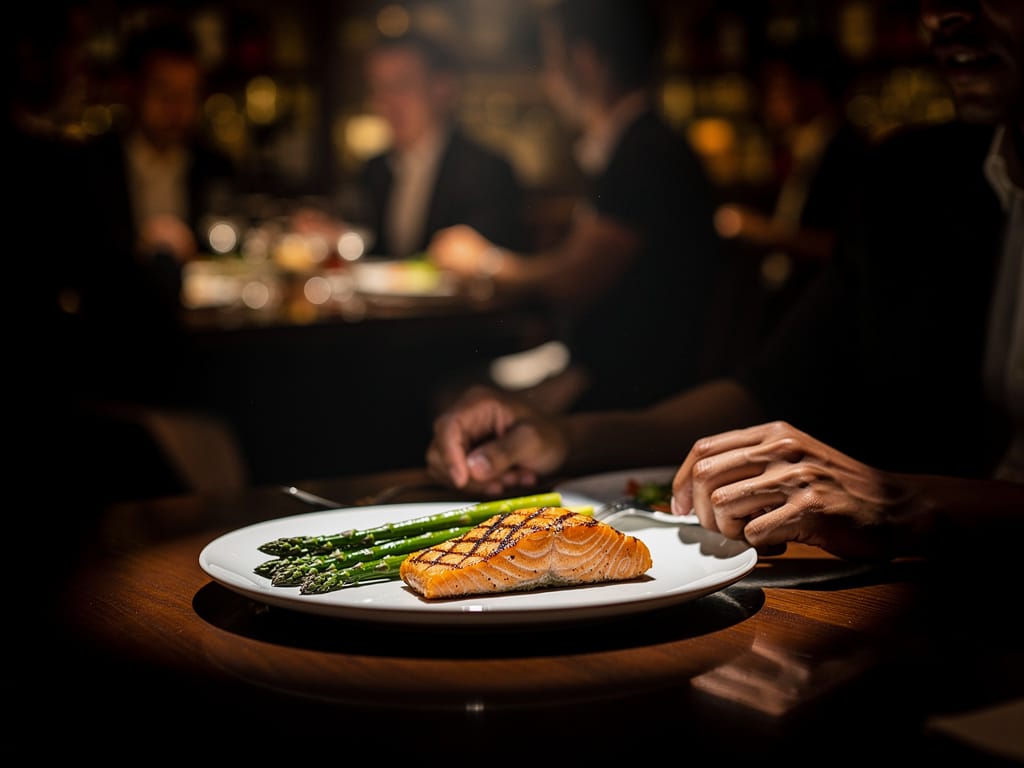
The second layer of control comes from substitutions. Kitchens are built for this. Swapping a side of fries for steamed asparagus or a double portion of side salad is a standard, low-friction request. If a dish features fried chicken, ask if they can prepare it grilled instead. You are simply trading a low-satiety, high-calorie ingredient for a high-satiety, low-calorie one. This is a direct application of volume mechanics, optimizing the energy return on your investment.
Think of the restaurant as a foreign territory. You don't have control over the supply lines or the infrastructure, but you have absolute control over your own actions within that environment. Your strategy dictates the outcome, not the menu's suggestions. The environment is engineered to encourage passive consumption. The dim lighting, the background music, the enticing smells-it's all part of a system to lower your guard and encourage indulgence. Your framework is the countermeasure.
This is why ordering first, if possible, is a powerful social tactic. It anchors the table's choices and insulates you from being swayed by a cascade of less-optimal orders from your companions. Your decision, stated clearly and confidently, sets a standard. You are not just ordering food; you are executing a deliberate choice that aligns with your personal objectives. Every meal is a move on the board. When you understand the rules of the game, you can navigate any environment and make it work for you, not against you. The result is control, consistency, and the quiet satisfaction of a plan perfectly executed.